
Institutional knowledge loss happens when employees leave and take with them the know-how that was never written down. AI-driven layoffs are speeding up that loss, and many companies are now rehiring to recover what was lost. This guide explains why it happens and six steps to prevent it.
Key Takeaways
- The problem: AI can take over tasks, but not the context, judgment, and relationships departing employees carry.
- The data: 32.9% of HR leaders say AI layoffs cost them critical skills and expertise, and 52.1% say their organization rehired for eliminated roles within six months (Careerminds).
- The fix: Capture knowledge before people leave, make it findable in one place, and map who knows what.
How AI Layoffs Lead to Institutional Knowledge Loss
AI is now the second most-cited reason for US layoffs, named in 121,401 job-cut announcements through October 2026, more than double the 54,836 tied to AI in all of 2025, according to Challenger, Gray & Christmas.
Many of those roles held knowledge no system captured: how a key client likes updates, why a process has an extra approval step, and who to call when an integration breaks. When those employees left, their knowledge left with them, and companies are now paying to get it back.
At GoLinks, we help teams make company knowledge easy to find, share, and hold onto. In this post, we’ll break down what institutional knowledge loss means, what the latest data shows, and offer six practical ways to keep your most important know-how in-house, no matter how your team changes.
What Is Institutional Knowledge?
Institutional knowledge is all the know-how, context, and experience employees gather while working at a company. It comes in two forms: explicit and tacit knowledge. Explicit knowledge is written down in documents, wikis, and tickets. Tacit knowledge lives with people: judgment, workarounds, relationships, and the history behind decisions.
Tacit knowledge is the hardest to replace because no one notices it’s missing until the person who held it is gone.
Why AI Layoffs Are Draining Institutional Knowledge
Companies expected AI to take over the work after layoffs, but many found it much harder to replace what those employees knew. The research below shows how often that happened, and how fast companies reversed course.
| Finding | Source |
|---|---|
| 32.9% of HR leaders say AI layoffs cost them critical skills and expertise | Careerminds survey of 600 HR professionals, Feb 2026 |
| 28.1% say remaining staff couldn’t fill the knowledge gap | Careerminds |
| 52.1% of HR leaders say their organization rehired for eliminated roles within six months | Careerminds |
| 30.9% say rehiring cost more than the layoffs saved, and 42.4% broke even | Careerminds |
| 32% of US hiring managers whose organizations cut roles because of AI later reinstated the same or similar positions | Robert Half, via Fortune |
| 40% of those who reinstated roles said the positions required institutional knowledge or context AI couldn’t replace | Robert Half, via Fortune |
| By 2029, 30% of employees terminated and replaced by AI will be rehired, often at a higher cost | Gartner |
The real cost isn’t just rehiring-it’s the months of lost productivity, repeated mistakes, and stalled decisions in between, while the team scrambles to piece together what the experts who left knew.
Why AI Can’t Replace Institutional Knowledge on Its Own
AI can only help if it has access to the right information. It can answer questions based on your wiki, tickets, or chat history, but it’s stuck if something was never written down in the first place.
Three gaps show up most often:
- Undocumented context. AI can explain how a process works if it’s documented. It usually can’t explain why, because the why lived with the person who designed it.
- Exceptions and judgment calls. Edge cases, customer history, and “we tried that in 2023” lessons rarely make it into formal docs.
- Knowing who to ask. Much of institutional knowledge is a map of people: who owns a system, who has the relationship, who solved this last time. When those people leave, the map breaks.
Gartner’s September 2026 future-of-work research makes the same point: organizations get more value when AI strengthens employees’ judgment and decision-making than when it replaces them.
How to Prevent Institutional Knowledge Loss: 6 Steps
The best time to capture knowledge is before anyone leaves. These six steps work whether you’re restructuring, growing, or just trying to stop answering the same questions in Slack.
1. Identify Knowledge-Critical Roles
Start with the people whose departure would stall work. Look for roles that own client relationships, legacy systems, compliance processes, or cross-team handoffs. Flag them before any restructuring decision, not after.
2. Capture Knowledge During Daily Work
Make documentation part of the job. Record decisions where they happen, keep runbooks next to the systems they describe, and give every recurring process a written owner. A clear knowledge management process turns individual expertise into shared resources.
3. Make Knowledge Findable in One Place
Captured knowledge only helps if people can find it. Short, memorable links like go/benefits and go/runbook take employees straight to the right resource. AI enterprise search lets them ask a question and get an answer from across every connected app. Used together, these knowledge sharing tools cover both the resources employees know to look for and the answers they don’t.
4. Map Who Knows What
Some knowledge will always live with people, so make those people easy to find. Employee profiles that list skills, projects, and areas of ownership show employees who to ask, and peer recognition shows whose help colleagues value most. Keep the company directory current so expertise doesn’t disappear when reporting lines change.
5. Run Structured Offboarding Handoffs
Treat every departure as a knowledge transfer, not just an access shutoff. Give departing employees time to document open work, record short walkthroughs, and introduce successors to key contacts. Use a standard handoff checklist so nothing depends on memory. Learn how to optimize knowledge transfer across your company.
6. Audit Documents Regularly
Outdated documentation can cost as much as missing documentation. Give every key document an owner and a review date, and archive what no longer applies. Forrester research on outdated information shows how often employees run into stale information at work.
Where Knowledge Management Tools Fit
Process and culture do most of the work, but the right tools make knowledge retention the default instead of an extra task. Each step above maps to a type of tool:
| Make key resources easy to find and share | Short links | GoLinks turns long URLs into memorable go links (go/onboarding, go/runbook) that survive org changes |
| Search everything that’s been captured | AI enterprise search | GoSearch searches across your connected apps and answers questions from your company’s own knowledge |
| Know who knows what | Employee directory and profiles | GoProfiles keeps skills, ownership, and org charts current, so expertise is visible before someone leaves |
The goal is to set things up so knowledge sticks around, no matter who leaves, gets reassigned, or when AI comes in … so you’re never starting from scratch.
Make Institutional Knowledge a Company Asset, Not an Individual One
The AI layoff wave has made one thing clear: institutional knowledge is an asset, and most companies don’t know how much of it they have until it’s gone. Whether you’re cutting, hiring, or rolling out AI, the companies that come out ahead will be the ones that make knowledge outlive any one person.
Start small. Identify the roles that carry critical knowledge, capture it as part of daily work, and make it easy for every employee to find answers and the people behind them.
Learn why companies like OpenAI, Asana, MongoDB, and so many other large enterprises use GoLinks. Get your demo today.
Access and share resources instantly with GoLinks
Schedule a demo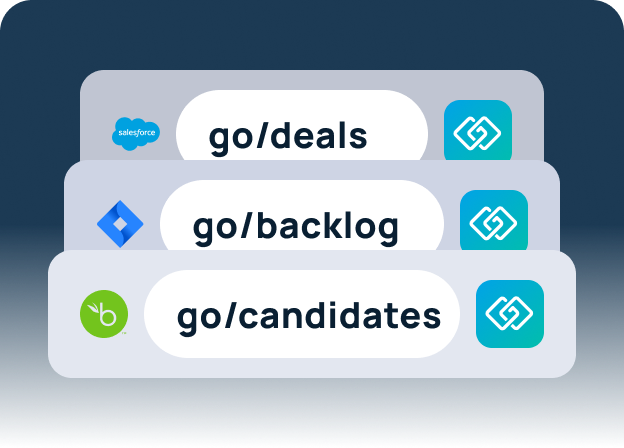
FAQs About Institutional Knowledge Loss and AI Layoffs
What Is Institutional Knowledge Loss?
Institutional knowledge loss occurs when an organization loses the undocumented know-how, context, and relationships employees carry, usually because those employees leave. Layoffs, retirements, and turnover without a handoff are the most common causes.
What’s the Difference Between Explicit and Tacit Institutional Knowledge?
Explicit knowledge is written down and easy to share, such as documents, wikis, and process guides. Tacit knowledge is unwritten: the judgment, relationships, and context that live with individual employees. Tacit knowledge is harder to replace after layoffs because no one documented it.
Why Are Companies Rehiring After AI Layoffs?
Many companies found AI couldn’t replace the judgment, oversight, and institutional knowledge of the people they cut. In a Careerminds survey of HR leaders, 52.1% said their organization rehired for eliminated roles within six months.
How Do You Retain Institutional Knowledge?
Identify knowledge-critical roles, capture knowledge during daily work, centralize it, map expertise, structure offboarding, and audit regularly. Each step works best as an ongoing habit, not a one-time cleanup.
Can AI Help Prevent Institutional Knowledge Loss?
Yes, if the knowledge is captured first. AI enterprise search can surface answers from documents, tickets, and conversations, but it can’t retrieve knowledge no one recorded.